Liberating Our Children: A Parent's Case for Homeschooling
Introduction
In January 2020, I walked into my daughter’s school and withdrew her from first grade. The principal said five words: “Good luck on your journey.” That was it. No questions. No concern. No attempt to understand what had gone wrong or how they might fix it. Just a polite dismissal, as if losing a student meant nothing at all.
A few months later, COVID shut everything down. Millions of parents suddenly found themselves thrust into homeschooling with no preparation, no plan, and no idea what they were doing. I was already there. I had seen what traditional schooling was doing to my child, and I had made my choice.
My daughter had been a different kid before kindergarten. Curious. Engaged. Hungry to learn. Devouring Dr. Binocs, Raindrop, and many other educational programs. She asked questions constantly. Then she entered the system, and something changed. By first grade she was placed in a combination class where the teacher’s attention naturally drifted toward the second graders. My daughter started slipping through the cracks. The spark in her eyes was dimming. I watched it happen and I decided I was not going to let the system extinguish it completely.
This is not just my story. Across this country, parents are waking up to what public education has become. They are pulling their children out and taking responsibility for their futures. This treatise brings together psychological research, sociological studies, and historical evidence to make the case that homeschooling is not some fringe alternative. It is a legitimate, evidence-based path that fosters creativity, builds critical thinking skills, develops emotional intelligence, and keeps our children safe from influences we never asked for and cannot control.
The Problem with Standardization
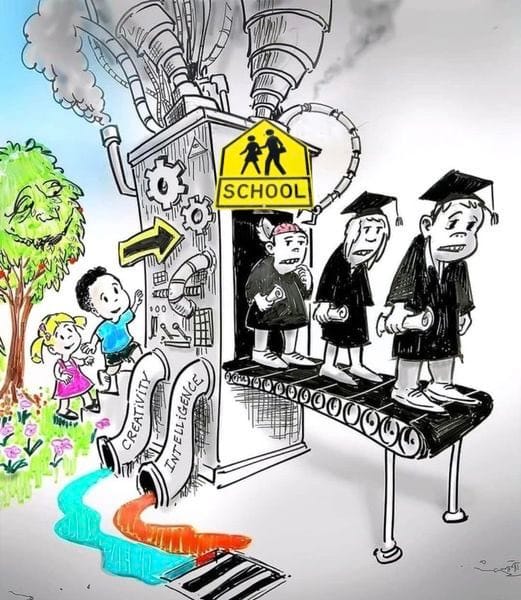
Public education was never designed to develop the full potential of individual children. It was designed for efficiency. For standardization. For producing a workforce. The focus lands on narrow cognitive skills like math and science while creativity and emotional development get pushed aside. Irving Janis documented how groupthink operates in these environments, with classroom peer pressure and uniform curricula working together to suppress independent thought.1
The consequences are measurable. Research on media literacy has shown that students lacking critical analysis skills become significantly more susceptible to manipulation through social media and online narratives.2 A 2022 Pew study found that 60 percent of American adolescents now conform to online trends, choosing social acceptance over their own judgment.3 These are not abstract statistics. I watched my daughter transform from a curious learner into a child who just wanted to fit in. The system did that to her.
Rigid curricula do not just suppress independent thinking. They actively undermine creativity. Research on creative development has consistently shown that inflexible academic structures constrain divergent thinking, the very capacity students need for innovation and problem-solving.4 That is the cost of forcing every child through the same mold.
Where This System Came From
None of this is accidental. The problems we see today were built into the system from the beginning. Understanding the history helps explain why reform is so difficult and why opting out entirely makes more sense than trying to fix what was never designed to serve our children’s interests.
The 1862 Morrill Act established land-grant colleges and aligned American education with industrial needs.5 The goal was producing workers. Obedient, disciplined, interchangeable workers. Creative thinking and critical inquiry were not priorities. They were obstacles.
Then came the money. John D. Rockefeller’s General Education Board poured 129 million dollars into American schools between 1902 and 1965. Adjusted for inflation, that is over 3 billion dollars in today’s terms.6 This funding entrenched uniform curricula and standardized teaching methods across the country. It was not philanthropy in any meaningful sense. It was an investment in a particular kind of citizen.
The philosophical roots go even deeper. American education borrowed heavily from 19th-century Prussian models that prioritized discipline and obedience above all else.7 Horace Mann and other reformers imported these ideas because they wanted to prepare citizens for hierarchical roles in society. Inquiry was discouraged. Questions were unwelcome. The bell rang, you moved on, whether you understood the material or not. Sound familiar?
How Schools Shape Compliant Minds
B.F. Skinner’s work on operant conditioning explains the mechanism perfectly.8 Grades reward compliance. Detention punishes deviation. Over twelve years of this conditioning, children learn that success means doing what you are told. Edward Deci’s research demonstrated that external rewards and rigid structures significantly undermine intrinsic motivation, the internal drive to learn for its own sake.9 The very curiosity children bring to school gets systematically worn down.
Albert Bandura’s social learning theory adds another layer. Children model the behaviors they see rewarded.10 In standardized classrooms, conformity is what gets rewarded. Fitting in matters more than standing out. Agreeing with the group is safer than thinking for yourself. Research confirms that conformity-driven schooling produces adults with diminished resistance to peer pressure.11 Studies on emotional intelligence further show that standardized learning environments can impair the development of empathy, collaboration skills, and emotional self-regulation.12
Homeschooling breaks this cycle. It provides diverse role models through community engagement. It rewards curiosity instead of compliance. It lets children develop as individuals rather than as interchangeable units in an educational assembly line.
The Radicalization Problem
This is what truly disturbs me as a parent. Beyond the cognitive damage and the emotional stunting, schools have become environments where radicalization flourishes. This is not conspiracy theory. This is documented by the FBI, studied by researchers across multiple countries, and visible to any parent paying attention.
The FBI has explicitly identified high schools as prime recruiting grounds for extremists.13 Adolescents desperately want to belong. They are searching for identity and purpose. Schools full of social hierarchies, ideological pressure, and online echo chambers create perfect conditions for exploitation. The bureau’s research on school violence identifies warning signs in student writings and social media posts, signals that routinely go unnoticed in overcrowded classrooms where teachers barely know their students’ names.
Norwegian researchers conducted a population-based study of adolescents and found clear correlations between low school cohesion and extremist leanings.14 Students who feel excluded turn to radical narratives that promise belonging. Swedish research reached similar conclusions: when teacher-student relationships break down, the radicalization process accelerates.15 Young people who feel invisible to the adults supposedly guiding them will look elsewhere for validation. And there is no shortage of bad actors ready to provide it.
The psychological pathways are well documented. Feelings of cultural threat and relative deprivation correlate with endorsement of violence.16 Humiliation, victimization, and alienation from bullying transform schools into resentment factories.17 A 2024 study in the Journal of Research in Crime and Delinquency found that dropping out of school during radicalization more than doubles the risk of involvement in terrorism.18 The school environment itself becomes a risk factor.
Radicalized Teachers and Captured Curriculum
But the problem goes well beyond vulnerable students finding radical ideas on their own. Increasingly, the radicalization is coming from inside the classroom. From teachers who view their role as ideological formation rather than education. From curricula designed to advance agendas rather than develop minds.
Walk into schools across America and you will find the 1619 Project embedded in history classes, teaching children that the defining feature of their country is oppression.19 This is not balanced historical education. It is ideological programming, adopted by thousands of schools with minimal parental input and no meaningful opt-out provisions.
School libraries have become battlegrounds for our children’s minds. Books containing explicit sexual content, graphic depictions of violence, and ideologically charged narratives are defended as essential while parents who object are labeled censors or worse. The American Library Association actively opposes parental oversight of what children can access.20 When did it become controversial for parents to have a say in what their children read?
Teacher preparation programs have shifted dramatically. Education schools increasingly emphasize social justice frameworks over subject matter competence or pedagogical skill.21 New teachers arrive in classrooms viewing themselves as activists first and educators second. Surveys show the majority of teachers believe standardized testing undermines authentic learning, yet many of the same teachers embrace standardized ideological frameworks without question.22
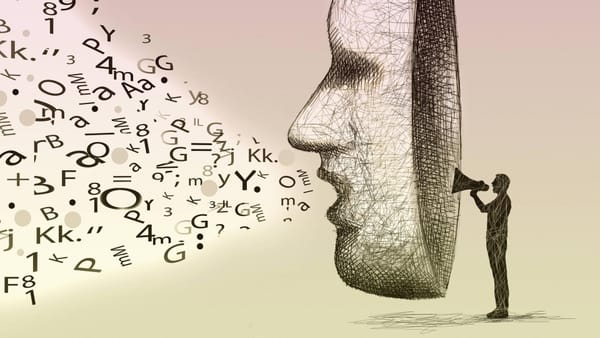
The classroom has become a place where certain viewpoints are mandatory and others are forbidden. Where children learn what to think rather than how to think. Where questioning the approved narrative brings social consequences from both peers and teachers. This is not education. It is indoctrination. And parents have almost no power to stop it within the system.
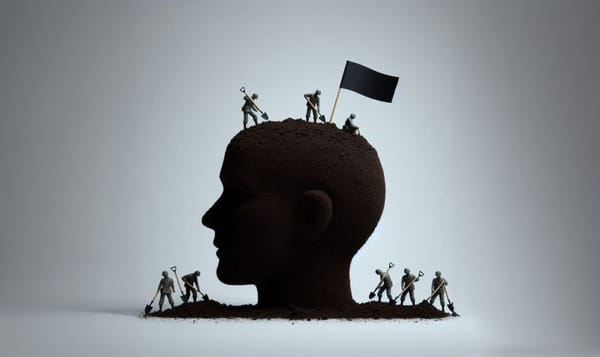
Where will it end? That is the question every parent should be asking. The answer, unfortunately, is that it will not end on its own. The institutions are captured. The curricula are locked in. The teachers are trained. The only way out is to leave.
The Socialization Myth
“But what about socialization?” Every homeschooling parent hears this question. Usually from people who have never examined what “socialization” in public schools actually looks like.
Research on adolescent development shows that large school settings increase risky behaviors, with students adopting destructive habits just to gain acceptance among peers.23 Group alignment matters more than authentic relationships. Conformity is rewarded. Individuality is punished. This is the socialization people are worried homeschooled children will miss?
The research tells a different story. Studies comparing homeschooled and traditionally schooled children consistently find that homeschooled students demonstrate strong social-emotional skills.24 Richard Medlin’s research on homeschooled children confirms strong social competence precisely because their interactions are meaningful rather than forced.25 They engage with people of all ages through co-ops, sports, volunteering, and community activities. My own children interact with toddlers at our local place of worship, teenagers at local clubs, and adults in volunteer settings as well as other social events. They learn to communicate across generations, not just with same-age peers in artificial environments.
Traditional school socialization too often means learning to conform. Learning to follow peer pressure. Learning to fit the cookie-cutter mold. I did not want that for my children. I wanted them to develop as individuals with the confidence to think for themselves.
Safety
Twenty percent of public schools reported violent incidents in 2021-22. Six percent involved weapons.26 Between 2018 and 2023, there were 188 school shootings.27 Research has linked exposure to school violence with increased rates of anxiety and depression among students.28 These are just numbers until it is your child’s school on the news.
Children learn better when they feel safe. This should not be controversial. Homeschooling provides security that public schools simply cannot guarantee. No active shooter drills. No wondering if today is the day something terrible happens. Just learning, in an environment designed for it.
Our Journey
I started with my own curriculum. It worked well enough for the first year. My daughter’s curiosity came back. She started asking questions again, diving deep into subjects that interested her rather than moving on when some arbitrary bell rang. But I needed better record-keeping for state requirements, so I enrolled both children in an online homeschool program.
The partnership has been remarkable. The academics are rigorous. Far more advanced than what they would encounter in public school. Teachers provide support and I serve as the home-based learning coach. My children get the structure of formal education with the flexibility and individual attention that only homeschooling can provide.
The results speak for themselves. My son is ten. My daughter is twelve. They are self-taught musicians. They both speak and read a second language. They both read well above the college level and their math scores fall in the high school range. These scores are all based on yearly required state testing. These are not prodigies. They are not geniuses. They are ordinary children who were given the opportunity to learn in an environment designed for them rather than designed for administrative convenience and ideological conformity.
The Evidence
My experience is not unique. Nationwide studies of homeschooled students consistently show they score well above national averages on standardized achievement tests.29 Research indicates homeschooled students outperform traditionally schooled peers in measures of critical thinking.30 These are not small differences. This is the gap between children who learn to think and children who learn to comply.
The historical trends confirm what we already know. Problem-solving skills declined significantly between the 1960s and 1970s as standardized testing expanded.31 Outcome-based education in the 1980s further eroded critical thinking skills.32 Research on cognitive flexibility shows that standardized education constrains the mental adaptability students need for complex problem-solving.33 The system is not failing. It is succeeding at exactly what it was designed to do. Produce conformity. Suppress independence. Create compliant citizens who do not ask uncomfortable questions.
Homeschooling is also affordable. Free online resources abound. You do not need to pay 15,000 dollars for private school or 20,000 dollars for Montessori. You need commitment, organization, and the willingness to take responsibility for your children’s futures.
Taking Back Control
Research consistently shows that parental engagement significantly improves academic outcomes.34 Studies on personalized education demonstrate substantial gains in emotional intelligence when learning is tailored to individual needs.35 Public schools limit parental involvement through standardized schedules, locked curricula, and a professional culture that treats parents as obstacles rather than partners. Homeschooling flips this completely. You shape the learning experience. You choose the materials. You decide what values your children are taught.
Align curriculum with your children’s interests. Prioritize deep understanding over standardized benchmarks. Teach media literacy so they can recognize manipulation. Build critical thinking so they can evaluate claims for themselves rather than accepting whatever authority figures tell them. These are the skills that matter. These are what the system fails to develop.
Conclusion
When that principal told me “good luck on your journey,” I do not think he understood what he was saying. He was right, though. It was luck. Luck I made for myself by recognizing the problem before it was too late. Luck I made by having the determination to try something different. Luck that when COVID arrived a few months later, we were already settled into our new routine while millions of families scrambled with no preparation and no plan.
But luck should not be required. Every parent should have access to the information needed to make informed choices about their children’s education. Every parent should understand what is happening in classrooms, what ideologies are being promoted, what materials are being used. And every parent should know that there is an alternative.
The research is clear. Homeschooled students consistently outperform their traditionally schooled peers in academic achievement, creativity, and critical thinking.36 Homeschooling removes children from environments where radicalization flourishes and indoctrination is standard practice. It gives parents control over what their children learn and what values they develop. It works.
My children are proof. Most importantly, they have learned to think critically and independently for themselves. They are curious. They ask real questions. They are not products of a system designed to produce compliant workers and ideological conformists. They are individuals being raised to shape the world as leaders, not to fit into someone else’s mold.
This is not just an alternative approach to education. It is a fundamental reimagining of what education can be when we stop letting institutions dictate terms and start taking responsibility ourselves. The evidence is overwhelming. The path is clear. The only question is whether you are willing to take it.
Notes
1 Irving L. Janis, Victims of Groupthink: A Psychological Study of Foreign-Policy Decisions and Fiascoes (Boston: Houghton Mifflin, 1972).
2 Renee Hobbs and Amy Jensen, “The Past, Present, and Future of Media Literacy Education,” Journal of Media Literacy Education 1, no. 1 (2009): 1-11.
3 Pew Research Center, “Teens, Social Media and Technology 2022,” August 10, 2022.
4 Mark A. Runco, Creativity: Theories and Themes: Research, Development, and Practice, 2nd ed. (San Diego: Academic Press, 2014).
5 “Morrill Act (1862),” National Archives, accessed May 1, 2025.
6 Rene Wormser, Foundations: Their Power and Influence (New York: Devin-Adair, 1958); U.S. Bureau of Labor Statistics, “CPI Inflation Calculator,” accessed May 1, 2025.
7 John Taylor Gatto, Dumbing Us Down: The Hidden Curriculum of Compulsory Schooling (Philadelphia: New Society Publishers, 1992).
8 B.F. Skinner, Science and Human Behavior (New York: Macmillan, 1953).
9 Edward L. Deci, “Intrinsic Motivation and Self-Determination in Human Behavior,” Psychological Inquiry 11, no. 4 (2000): 227-268; Edward L. Deci and Richard M. Ryan, Intrinsic Motivation and Self-Determination in Human Behavior (New York: Plenum, 1985).
10 Albert Bandura, Social Learning Theory (Englewood Cliffs, NJ: Prentice Hall, 1977).
11 Laurence Steinberg and Kathryn C. Monahan, “Age Differences in Resistance to Peer Influence,” Developmental Psychology 43, no. 6 (2007): 1531-1543.
12 John D. Mayer, Peter Salovey, and David R. Caruso, “Emotional Intelligence: Theory, Findings, and Implications,” Psychological Inquiry 15, no. 3 (2004): 197-215.
13 Federal Bureau of Investigation, “Preventing Violent Extremism in Schools,” 2016.
14 Viggo Vestel and Anders Bakken, “At Risk for Radicalization and Jihadism? A Population-Based Study of Norwegian Adolescents,” Cooperation and Conflict 52, no. 3 (2017): 388-407.
15 Christer Mattsson and Thomas Johansson, “The Hateful Other: Neo-Nazis in School and Teachers’ Strategies for Handling Racism,” British Journal of Sociology of Education 41, no. 8 (2020): 1149-1163.
16 Jonas R. Kunst and Milan Obaidi, “Understanding Violent Extremism in the 21st Century: The (Re)Emerging Role of Relative Deprivation,” Current Opinion in Psychology 35 (2020): 55-59.
17 Milan Obaidi et al., “Group-Based Relative Deprivation Explains Endorsement of Extremism Among Western-Born Muslims,” Psychological Science 29, no. 6 (2018): 922-932; Ali Teymoori et al., “Revisiting the Measurement of Anomie,” Sociological Methods & Research 46, no. 4 (2017): 729-762.
18 Shannon L. Carthy and Bart Schuurman, “Adverse Childhood Experiences, Education, and Involvement in Terrorist Violence,” Journal of Research in Crime and Delinquency 61, no. 5 (2024): 789-821.
19 Pulitzer Center, “The 1619 Project Curriculum,” accessed May 1, 2025.
20 American Library Association, “Intellectual Freedom and Censorship Q&A,” accessed May 1, 2025.
21 David Steiner and Susan Rozen, “Preparing Tomorrow’s Teachers: An Analysis of Syllabi from a Sample of America’s Schools of Education,” in A Qualified Teacher in Every Classroom, ed. Frederick Hess (Cambridge: Harvard Education Press, 2004).
22 EdWeek Research Center, “Teacher Perspectives on Standardized Testing,” March 2024.
23 Jeffrey Jensen Arnett, Adolescence and Emerging Adulthood: A Cultural Approach, 6th ed. (London: Pearson, 2018).
24 Thomas C. Smedley, “Socialization of Home School Children,” Home School Researcher 8, no. 3 (1992): 9-16.
25 Richard G. Medlin, “Homeschooled Children’s Social Skills,” Home School Researcher 17, no. 1 (2006): 1-8.
26 National Center for Education Statistics, “Crime, Violence, Discipline, and Safety in U.S. Public Schools: 2021-22,” 2023.
27 K-12 School Shooting Database, accessed May 1, 2025.
28 Dorothy L. Espelage et al., “Exposure to Violence and Mental Health Outcomes Among Adolescents,” Pediatrics 150, no. 1 (2022): e2021055465.
29 Brian D. Ray, “Academic Achievement and Demographic Traits of Homeschool Students: A Nationwide Study,” Academic Leadership Journal 8, no. 1 (2010).
30 Lawrence M. Rudner, “Scholastic Achievement and Demographic Characteristics of Home School Students in 1998,” Education Policy Analysis Archives 7, no. 8 (1999).
31 Lauren B. Resnick, Education and Learning to Think (Washington, DC: National Academy Press, 1987).
32 Richard Paul, Linda Elder, and Ted Bartell, “Critical Thinking: Implications for Instruction,” Journal of Developmental Education 21, no. 2 (1997): 34-36.
33 Rand J. Spiro, Richard L. Coulson, Paul J. Feltovich, and Daniel K. Anderson, “Cognitive Flexibility Theory: Advanced Knowledge Acquisition in Ill-Structured Domains,” in Theoretical Models and Processes of Reading, 5th ed. (Newark, DE: International Reading Association, 2004).
34 Anne T. Henderson and Karen L. Mapp, A New Wave of Evidence: The Impact of School, Family, and Community Connections on Student Achievement (Austin: SEDL, 2002).
35 Marc A. Brackett, Susan E. Rivers, and Peter Salovey, “Emotional Intelligence: Implications for Personal, Social, Academic, and Workplace Success,” Social and Personality Psychology Compass 5, no. 1 (2011): 88-103.
36 Ray, “Academic Achievement”; Rudner, “Scholastic Achievement.”
Bibliography
American Library Association. “Intellectual Freedom and Censorship Q&A.” Accessed May 1, 2025. https://www.ala.org.
Arnett, Jeffrey Jensen. Adolescence and Emerging Adulthood: A Cultural Approach. 6th ed. London: Pearson, 2018.
Bandura, Albert. Social Learning Theory. Englewood Cliffs, NJ: Prentice Hall, 1977.
Brackett, Marc A., Susan E. Rivers, and Peter Salovey. “Emotional Intelligence: Implications for Personal, Social, Academic, and Workplace Success.” Social and Personality Psychology Compass 5, no. 1 (2011): 88-103.
Carthy, Shannon L., and Bart Schuurman. “Adverse Childhood Experiences, Education, and Involvement in Terrorist Violence.” Journal of Research in Crime and Delinquency 61, no. 5 (2024): 789-821.
Deci, Edward L. “Intrinsic Motivation and Self-Determination in Human Behavior.” Psychological Inquiry 11, no. 4 (2000): 227-268.
Deci, Edward L., and Richard M. Ryan. Intrinsic Motivation and Self-Determination in Human Behavior. New York: Plenum, 1985.
EdWeek Research Center. “Teacher Perspectives on Standardized Testing.” March 2024.
Espelage, Dorothy L., et al. “Exposure to Violence and Mental Health Outcomes Among Adolescents.” Pediatrics 150, no. 1 (2022): e2021055465.
Federal Bureau of Investigation. “Preventing Violent Extremism in Schools.” 2016.
Gatto, John Taylor. Dumbing Us Down: The Hidden Curriculum of Compulsory Schooling. Philadelphia: New Society Publishers, 1992.
Henderson, Anne T., and Karen L. Mapp. A New Wave of Evidence: The Impact of School, Family, and Community Connections on Student Achievement. Austin: SEDL, 2002.
Hobbs, Renee, and Amy Jensen. “The Past, Present, and Future of Media Literacy Education.” Journal of Media Literacy Education 1, no. 1 (2009): 1-11.
Janis, Irving L. Victims of Groupthink: A Psychological Study of Foreign-Policy Decisions and Fiascoes. Boston: Houghton Mifflin, 1972.
K-12 School Shooting Database. Accessed May 1, 2025. https://k12ssdb.org/.
Kunst, Jonas R., and Milan Obaidi. “Understanding Violent Extremism in the 21st Century: The (Re)Emerging Role of Relative Deprivation.” Current Opinion in Psychology 35 (2020): 55-59.
Mattsson, Christer, and Thomas Johansson. “The Hateful Other: Neo-Nazis in School and Teachers’ Strategies for Handling Racism.” British Journal of Sociology of Education 41, no. 8 (2020): 1149-1163.
Mayer, John D., Peter Salovey, and David R. Caruso. “Emotional Intelligence: Theory, Findings, and Implications.” Psychological Inquiry 15, no. 3 (2004): 197-215.
Medlin, Richard G. “Homeschooled Children’s Social Skills.” Home School Researcher 17, no. 1 (2006): 1-8.
National Archives. “Morrill Act (1862).” Accessed May 1, 2025.
National Center for Education Statistics. “Crime, Violence, Discipline, and Safety in U.S. Public Schools: 2021-22.” 2023.
Obaidi, Milan, Robin Bergh, Nazar Akrami, and Gulnaz Anjum. “Group-Based Relative Deprivation Explains Endorsement of Extremism Among Western-Born Muslims.” Psychological Science 29, no. 6 (2018): 922-932.
Paul, Richard, Linda Elder, and Ted Bartell. “Critical Thinking: Implications for Instruction.” Journal of Developmental Education 21, no. 2 (1997): 34-36.
Pew Research Center. “Teens, Social Media and Technology 2022.” August 10, 2022.
Pulitzer Center. “The 1619 Project Curriculum.” Accessed May 1, 2025.
Ray, Brian D. “Academic Achievement and Demographic Traits of Homeschool Students: A Nationwide Study.” Academic Leadership Journal 8, no. 1 (2010).
Resnick, Lauren B. Education and Learning to Think. Washington, DC: National Academy Press, 1987.
Rudner, Lawrence M. “Scholastic Achievement and Demographic Characteristics of Home School Students in 1998.” Education Policy Analysis Archives 7, no. 8 (1999).
Runco, Mark A. Creativity: Theories and Themes: Research, Development, and Practice. 2nd ed. San Diego: Academic Press, 2014.
Skinner, B.F. Science and Human Behavior. New York: Macmillan, 1953.
Smedley, Thomas C. “Socialization of Home School Children.” Home School Researcher 8, no. 3 (1992): 9-16.
Spiro, Rand J., Richard L. Coulson, Paul J. Feltovich, and Daniel K. Anderson. “Cognitive Flexibility Theory: Advanced Knowledge Acquisition in Ill-Structured Domains.” In Theoretical Models and Processes of Reading, 5th ed. Newark, DE: International Reading Association, 2004.
Steinberg, Laurence, and Kathryn C. Monahan. “Age Differences in Resistance to Peer Influence.” Developmental Psychology 43, no. 6 (2007): 1531-1543.
Steiner, David, and Susan Rozen. “Preparing Tomorrow’s Teachers: An Analysis of Syllabi from a Sample of America’s Schools of Education.” In A Qualified Teacher in Every Classroom, edited by Frederick Hess. Cambridge: Harvard Education Press, 2004.
Teymoori, Ali, et al. “Revisiting the Measurement of Anomie.” Sociological Methods & Research 46, no. 4 (2017): 729-762.
Vestel, Viggo, and Anders Bakken. “At Risk for Radicalization and Jihadism? A Population-Based Study of Norwegian Adolescents.” Cooperation and Conflict 52, no. 3 (2017): 388-407.
Wormser, Rene. Foundations: Their Power and Influence. New York: Devin-Adair, 1958.