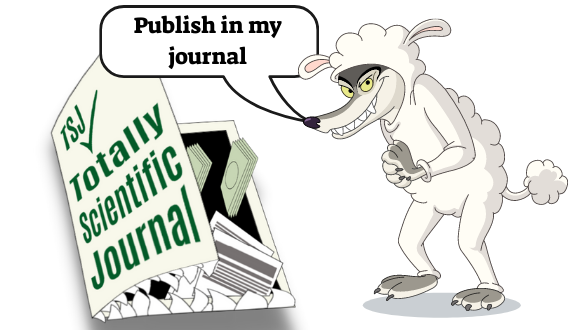
Predatory Journals: How to Spot Scams
Academic Deception: My Close Call with Predatory Journals
I’ll never forget the thrill of opening an email that praised my manuscript on Bitcoin as a bond alternative. The journal addressed me formally, lauded my work’s potential, and promised publication. My heart raced. I was one step closer to seeing my name in print.
But then I spotted the catch: a $2,500 fee and a journal scope that didn’t even match my topic. My excitement turned to dread. This wasn’t a prestigious outlet; it was a predatory journal, preying on my dream to publish. I’d almost fallen for it, twice. This is my story of dodging academic scams and a guide to help you avoid the same traps.
The Predatory Playbook
Predatory journals are a growing menace, retracting numerous papers and raking in millions by selling fake authorship slots. They target researchers like me, desperate to publish in a “publish or perish” world. Their tactics are slick:
Flattering Emails: Unsolicited messages praise your work and push for quick submissions, like the emails I received, which felt personal but hid murky intentions.
Hidden Fees: Some charge thousands, over $2,500 in my case, revealed only after acceptance, with aggressive demands for payment, as researchers report on academic forums.
Fake Credibility: They claim indexing in obscure databases but lack recognition in trusted ones used by universities.
Broad Acceptance: They publish anything, even when topics don’t fit. (Apparently, my homeschooling paper was a breakthrough in mental health, news to me!)
These journals don’t just steal money; they steal hope, turning passion into profit.
The Emotional Toll
Realizing I’d nearly fallen for these scams was a gut punch. I’d spent months crafting manuscripts, dreaming of sparking meaningful debates. Instead, I faced the risk of paying exorbitant fees or seeing my work published without proper review.
As an independent researcher with a BS and MBA, I felt especially vulnerable, no university mentors to guide me, no institutional subscriptions to reputable journals. “I paid $1,500 for a publication no one respects,” one researcher shared online, echoing my fear of wasted effort. The emotional rollercoaster, from elation to betrayal, is a hidden cost, eroding confidence in your work.
Why It’s Everyone’s Problem
Predatory journals don’t just scam researchers; they harm society. Fake studies mislead doctors, policymakers, and students, eroding trust in science. For independent researchers, publishing in these journals can ruin reputations, as academic gatekeepers dismiss their credibility. Whether you’re a scholar, student, or curious reader, the ripple effects of predatory publishing touch us all.
The Temptation and the Truth
I get why researchers fall for these traps. Rejections from top journals sting, and the urgency to pad a CV can feel overwhelming, especially for independents like me. Predatory journals promise a quick fix, a published paper in days, not months. But the cost is too high: wasted money, tarnished credibility, and work buried in obscurity. Legitimate journals, though tougher to crack, offer real impact and respect.
How to Outsmart the Scammers
My experience taught me to fight back. Here’s how you can protect your research:
Verify Indexing: Use tools like Think. Check. Submit. to confirm the journal is in trusted academic databases.
Check Scope: Ensure the journal’s focus aligns with your work. Mismatches are a warning sign.
Demand Transparency: Legitimate journals detail fees and peer-review processes upfront.
Search for Warnings: Check forums like Retraction Watch for red flags about questionable publishers.
Leverage Preprints: Share your work on platforms like PsyArXiv to gain visibility while targeting reputable journals.
I’m now submitting to established outlets, embracing the grind for quality. Independent researchers are resilient, our passion fuels discovery, and we can outsmart these scams.
Call to Action
We independent researchers are a tenacious bunch, turning ideas into knowledge without institutional safety nets. Don’t let predatory journals exploit that drive. Share your stories of dodging publishing pitfalls in the comments, have you received a suspicious email? What tipped you off? Join communities on platforms like ResearchGate to warn others. By prioritizing integrity, we ensure our research shines on platforms that value truth. Subscribe for more insider tips to outsmart the scams and thrive as an independent researcher.
Conclusion
Predatory journals lure us with the siren call of publication, but their price, financial, emotional, and ethical, is too steep. I’m still chasing my publishing dreams, but now I’m armed with skepticism and strategies. You can be too. Let’s protect our work and celebrate the resilience of independent scholars.