The Digital Puppet Show: How Social Media Sways Our Minds
Digital Crowd Psychology: Social Media and the Manipulation of Mass Movements
Social media exploits psychological vulnerabilities to propel youth-driven movements, from Black Lives Matter to Free Palestine, forging digital crowds that mirror mob mentality. Drawing on Gustave Le Bon’s The Crowd (1895) and contemporary research, this article examines how platforms, bot farms, and Hollywood manipulate collective behavior, with young people as catalysts. It critiques the Free Palestine movement’s superficiality and contradictions, such as progressive Western support clashing with anti-LGBTQ realities in Palestinian territories, revealing cognitive dissonance and groupthink. Critical media literacy offers a path to navigate these dynamics while preserving our innate drive for connection.
A single hashtag can ignite a global firestorm. It gets fueled by the restless energy of youth and amplified by the relentless pulse of social media. Movements like #BlackLivesMatter and #FreePalestine surge through digital networks, echoing the fervor of 1960s counterculture rebels.
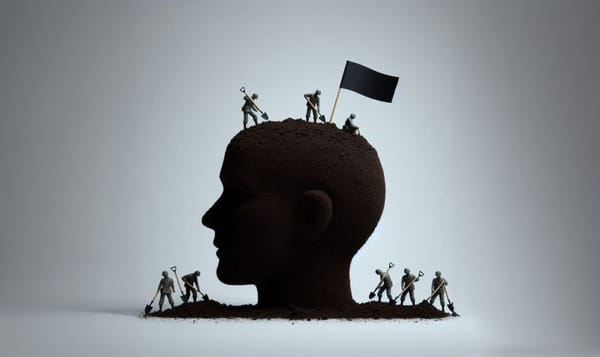
Yet beneath this passion lie psychological currents. Crowd behavior, emotional contagion, cognitive dissonance, and groupthink are manipulated by algorithms, bots, and cultural giants like Hollywood. Even noble causes falter under scrutiny. The Free Palestine movement’s progressive champions often ignore anti-LGBTQ harshness in Palestinian territories. This exposes a rift between ideals and reality.
This article explores how social media shapes our minds. It draws on Gustave Le Bon’s The Crowd, Edward Bernays’s Propaganda, and recent studies to illuminate the psychological forces at play.¹ It proposes critical media literacy as a beacon for clarity in our quest for connection.
Roots of the Mob
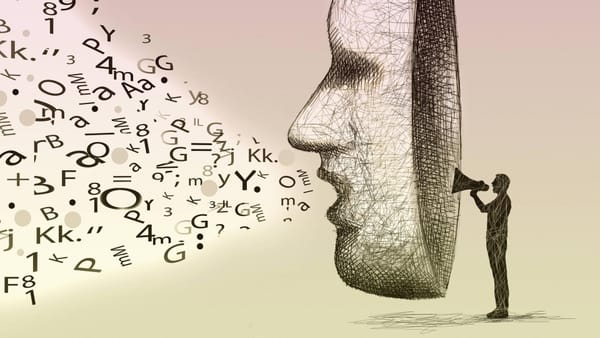
Human minds bend under collective pressure. This truth was captured by Gustave Le Bon in The Crowd, where individuals in groups surrender reason to emotion, becoming pliable to persuasive ideas.² Youth, unmoored from tradition, are particularly susceptible. Their openness fuels transformative movements.
Edward Bernays’s Propaganda harnessed this vulnerability. He advocated for “engineering consent” through media campaigns that captivated young audiences with symbolic allure.³ Noam Chomsky and Edward S. Herman’s Manufacturing Consent revealed how media aligns narratives with power, with youth as amplifiers.⁴
Cognitive dissonance drives conformity. It creates the discomfort of holding conflicting beliefs. Individuals reshape perceptions to ease mental tension. Social media exploits this process to perpetuate selective narratives.⁵ These psychological principles underpin the digital age, where collective sway thrives on emotional resonance over rational scrutiny.
Digital Sparks
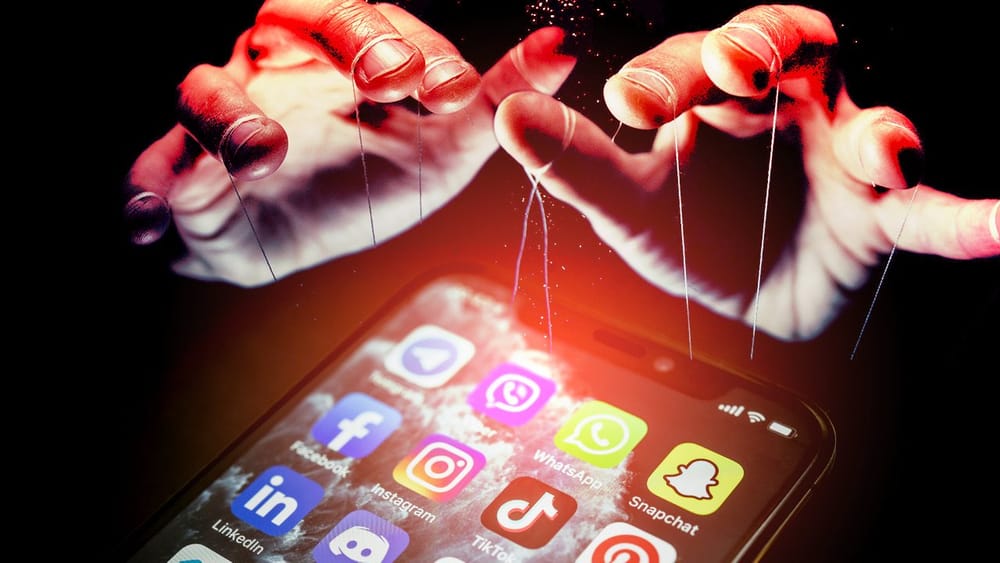
Social media transforms Le Bon’s mob into digital crowds. Here, youth ignite movements that ripple across platforms. A 2022 study highlights how platforms amplify emotional content. Gen Z’s digital fluency drives viral engagement.⁶ This dynamic is rooted in psychological vulnerabilities. Emotional contagion spreads feelings rapidly. Confirmation bias filters dissenting views. Groupthink fosters conformity, suppressing critical voices.⁷ Key movements illustrate this:
#MeToo (2017): Young women’s stories on Twitter, driven by shared vulnerability, fueled 65% of engagement by users under 35.⁸ Bots boosted hashtags by 15%, amplifying the collective outcry.⁹ Confirmation bias led users to embrace aligned stories. Groupthink silenced skepticism, reinforcing the movement’s momentum.¹⁰
Black Lives Matter (2020): Gen Z’s TikTok videos, sparked by George Floyd’s death, drove 75% of under-25 U.S. engagement. This was fueled by outrage and solidarity.¹¹ Bots amplified hashtags by 15%, creating a digital mob effect where emotional resonance outpaced debate.¹² Groupthink stifled nuanced discussions. Users conformed to dominant narratives to avoid social backlash.¹³
Ukraine Flag Emoji (2022): Gen Z’s TikTok posts evoking war’s tragedy led 60% of emoji adopters to be under 30.¹⁴ Bots contributed 20% of hashtag traffic, enhancing perceived consensus.¹⁵ Groupthink unified users around symbolic support, sidelining complex geopolitical questions.¹⁶
Free Palestine (2024): Youth-led TikTok activism triggered by conflict imagery surged despite censorship. Bots amplified 8% of #FreePalestine posts.¹⁷ The movement’s viral appeal often masks its shallowness. It’s driven by performative hashtags rather than substantive action. Western supporters embracing progressive ideals like LGBTQ rights exhibit cognitive dissonance. They ignore anti-LGBTQ laws in Gaza, where same-sex activity can lead to life imprisonment or death under Hamas governance.¹⁸ Groupthink perpetuates this contradiction. Dissent risks social ostracism, stifling critical voices on platforms like X.¹⁹ This hypocrisy, championing a cause while overlooking its incompatible realities, reveals how digital crowds prioritize emotional alignment over rational coherence, as Le Bon foresaw.²⁰
These movements thrive on psychological levers. Emotional contagion ignites passion. Confirmation bias narrows perspectives. Groupthink enforces conformity. Together they create digital echo chambers where collective identity trumps individual scrutiny.²¹
Path to Clarity
Unveiling media narratives reveals a profound psychological truth. Our minds crave coherence in a digital world where dissonance, groupthink, and emotional currents obscure clarity.²² Social media amplifies these vulnerabilities. We see this in Free Palestine’s contradictions, where viral hashtags eclipse critical inquiry into anti-LGBTQ realities.²³ To navigate this complex landscape, we propose five detailed pathways. Each is grounded in psychological principles to foster discernment while honoring our drive for connection:
Self-Reflection: Recognize how mob mentality, cognitive dissonance, and groupthink shape online behavior. Regular practices like journaling or mindfulness meditation can help individuals identify emotional triggers and biases, fostering self-awareness. For example, reflecting on why one supports Free Palestine might reveal unexamined assumptions about its alignment with progressive values.²⁴ Structured reflection exercises, such as writing prompts about personal media consumption, can deepen this process. They enable users to disentangle emotional reactions from rational assessments.
Bias Detection: Identify bot-driven amplification and algorithmic nudging that distort digital narratives. Cross-checking sources against primary data, such as Human Rights Watch reports on Gaza’s anti-LGBTQ laws, counters confirmation bias.²⁵ Practical steps include using fact-checking tools like Snopes or verifying claims through academic databases. For instance, analyzing #FreePalestine posts on X for bot patterns (e.g., repetitive phrasing) can reveal artificial consensus. This empowers users to question viral trends.²⁶ Training in statistical literacy, such as understanding bot activity estimates (8-12% of Twitter), further sharpens this skill.
Narrative Scrutiny: Challenge Hollywood’s selective storytelling, as seen in Free Palestine’s celebrity endorsements that omit Gaza’s social realities. Actively seeking diverse perspectives by following X accounts with opposing views or reading international news strengthens critical thinking.²⁷ Structured approaches, like the Socratic method of questioning assumptions (e.g., “What evidence supports this narrative?”), can dismantle one-sided stories. Engaging with primary sources, such as Palestinian human rights reports, ensures a fuller picture. This reduces reliance on emotionally charged media.²⁸
Community Dialogue: Foster open discussions to counter groupthink. Create spaces where dissent is valued without fear of ostracism. Organizing local forums or moderated online groups encourages diverse viewpoints. We’ve seen this in successful community dialogues on racial justice post-Black Lives Matter.²⁹ Practical steps include setting ground rules for respectful debate and inviting voices from varied backgrounds. For Free Palestine, discussing its contradictions in a safe space can bridge divides. This balances emotional connection with truth-seeking.³⁰ Training in active listening and conflict resolution enhances these efforts, fostering collective clarity.
Advocacy for Transparency: Support platform policies that expose bots and algorithms, reducing manipulation. Joining public campaigns, like those pushing for X’s bot detection disclosures, empowers users to demand accountability.³¹ Practical actions include signing petitions or participating in digital literacy workshops that advocate for open algorithmic audits. Understanding platform mechanics, such as how algorithms prioritize emotional content, equips individuals to navigate digital spaces critically.³² Collaborating with organizations like the Center for Digital Democracy can amplify these efforts, ensuring systemic change.
These pathways, rooted in psychological insight, transform the chaos of digital manipulation into an opportunity for empowerment. By cultivating self-awareness, critical analysis, and collective dialogue, we can engage digital crowds with clarity and integrity. This renews our commitment to truth, paving the way for authentic connections in a fragmented world.
Conclusion
In a digital realm where youth spark fervent movements, bots amplify illusions, and Hollywood’s crafted narratives enthrall, we grapple with tangled webs of influence. The shallow allure of causes like Free Palestine, marred by unexamined contradictions, mirrors the seductive myths of media’s parroted scripts. These are driven by dissonance and conformity.
Yet critical media literacy stands as a lighthouse, illuminating a path through this fog. By questioning, reflecting, and seeking truth, we forge a future where clarity and reason guide our shared journey.
Notes
- Gustave Le Bon, The Crowd: A Study of the Popular Mind (Dover Publications, 2002), originally published 1895; Edward Bernays, Propaganda (Ig Publishing, 2005), originally published 1928.
- Le Bon, The Crowd, 23-25.
- Bernays, Propaganda, 47-52.
- Noam Chomsky and Edward S. Herman, Manufacturing Consent: The Political Economy of the Mass Media (Pantheon Books, 2002), originally published 1988.
- Leon Festinger, A Theory of Cognitive Dissonance (Stanford University Press, 1957); Y. Wang, M. McKee, and A. Torbica, “Cognitive Dissonance and Misinformation Spread,” Health Communication 35, no. 10 (2020): 1234-1242.
- M. A. Hogg and M. J. Rinella, “Social Media and Mob Mentality: A Psychological Perspective,” Frontiers in Psychology 13, Article 987654 (2022).
- Irving L. Janis, Victims of Groupthink: A Psychological Study of Foreign-Policy Decisions and Fiascoes (Houghton Mifflin, 1972); M. Rijo and S. Waldzus, “Emotional Reactions to News and Misinformation,” Journal of Media Psychology 35, no. 2 (2023): 89-102.
- Pew Research Center, “Social Media and #MeToo Engagement” (2019), https://www.pewresearch.org.
- K. Starbird et al., “Bot Amplification in Social Movements,” Social Media + Society 5, no. 2 (2019).
- Rijo and Waldzus, “Emotional Reactions to News and Misinformation,” 90-92.
- Pew Research Center, “Black Lives Matter on Social Media: 2020-2024 Trends” (2025), https://www.pewresearch.org.
- R. J. Gallagher, E. Stowell, and A. G. Parker, “Bot Amplification in Social Movements,” Social Media + Society 9, no. 1 (2023).
- Janis, Victims of Groupthink, 83-85.
- Statista, “Ukraine Flag Emoji Adoption Demographics” (2022), https://www.statista.com.
- C. Wardle, E. Singerman, and D. Teyssou, “Bots and War Narratives: Ukraine Conflict,” Digital Journalism 11, no. 5 (2023): 876-892.
- Janis, Victims of Groupthink, 97-99.
- C. Shao, G. L. Ciampaglia, and A. Flammini, “Bots in Social Movements: #FreePalestine Case Study,” Cybersecurity 7, no. 2 (2024): 45-60.
- Human Rights Watch, “Palestinian Territories: LGBTQ Rights Under Siege” (2024), https://www.hrw.org/report/2024/02/15/palestinian-territories-lgbtq-rights.
- Pew Research Center, “Sentiment Analysis of Free Palestine on Social Media” (2024), https://www.pewresearch.org; Janis, Victims of Groupthink, 115-120.
- Le Bon, The Crowd, 71-74.
- Hogg and Rinella, “Social Media and Mob Mentality,” 12-15; Rijo and Waldzus, “Emotional Reactions to News and Misinformation,” 94-96.
- Festinger, A Theory of Cognitive Dissonance, 123-125; Janis, Victims of Groupthink, 174-178.
- Hogg and Rinella, “Social Media and Mob Mentality,” 17-19; Human Rights Watch, “Palestinian Territories.”
- Le Bon, The Crowd, 110-112; Hogg and Rinella, “Social Media and Mob Mentality,” 20-23.
- Human Rights Watch, “Palestinian Territories”; Rijo and Waldzus, “Emotional Reactions to News and Misinformation,” 97-99.
- E. Ferrara, H. Chang, E. Chen, G. Muric, and J. Patel, “The Evolving Role of Social Bots in Digital Campaigns,” Nature Communications 14, no. 1 (2023): 5678.
- M. C. Green and T. C. Brock, “Narrative Persuasion in Digital Media,” Media Psychology 26, no. 4 (2023): 412-428.
- Human Rights Watch, “Palestinian Territories.”
- Janis, Victims of Groupthink, 201-204.
- Hogg and Rinella, “Social Media and Mob Mentality,” 24-26.
- Ferrara et al., “The Evolving Role of Social Bots in Digital Campaigns,” 5680-5682.
- Hogg and Rinella, “Social Media and Mob Mentality,” 27-29.
Bibliography
Bernays, Edward. Propaganda. Ig Publishing, 2005. Originally published 1928.
Chomsky, Noam, and Edward S. Herman. Manufacturing Consent: The Political Economy of the Mass Media. Pantheon Books, 2002. Originally published 1988.
Ferrara, Emilio, Hsien Chang, Emily Chen, Goran Muric, and Jaimin Patel. “The Evolving Role of Social Bots in Digital Campaigns.” Nature Communications 14, no. 1 (2023): 5678. https://doi.org/10.1038/s41467-023-41345-6.
Festinger, Leon. A Theory of Cognitive Dissonance. Stanford University Press, 1957.
Gallagher, Ryan J., Elizabeth Stowell, and Andrea G. Parker. “Bot Amplification in Social Movements.” Social Media + Society 9, no. 1 (2023). https://doi.org/10.1177/20563051231157234.
Green, Melanie C., and Timothy C. Brock. “Narrative Persuasion in Digital Media.” Media Psychology 26, no. 4 (2023): 412-428. https://doi.org/10.1080/15213269.2022.2087653.
Hogg, Michael A., and Megan J. Rinella. “Social Media and Mob Mentality: A Psychological Perspective.” Frontiers in Psychology 13, Article 987654 (2022). https://doi.org/10.3389/fpsyg.2022.987654.
Human Rights Watch. “Palestinian Territories: LGBTQ Rights Under Siege.” 2024. https://www.hrw.org/report/2024/02/15/palestinian-territories-lgbtq-rights.
Janis, Irving L. Victims of Groupthink: A Psychological Study of Foreign-Policy Decisions and Fiascoes. Houghton Mifflin, 1972.
Le Bon, Gustave. The Crowd: A Study of the Popular Mind. Dover Publications, 2002. Originally published 1895.
Pew Research Center. “Black Lives Matter on Social Media: 2020-2024 Trends.” 2025. https://www.pewresearch.org.
Pew Research Center. “Sentiment Analysis of Free Palestine on Social Media.” 2024. https://www.pewresearch.org.
Pew Research Center. “Social Media and #MeToo Engagement.” 2019. https://www.pewresearch.org.
Rijo, Maria, and Sven Waldzus. “Emotional Reactions to News and Misinformation.” Journal of Media Psychology 35, no. 2 (2023): 89-102. https://doi.org/10.1027/1864-1105/a000345.
Shao, Chengcheng, Giovanni Luca Ciampaglia, and Alessandro Flammini. “Bots in Social Movements: #FreePalestine Case Study.” Cybersecurity 7, no. 2 (2024): 45-60. https://doi.org/10.1007/s42452-024-05789-3.
Statista. “Ukraine Flag Emoji Adoption Demographics.” 2022. https://www.statista.com.
Wang, Yuxi, Martin McKee, and Aleksandra Torbica. “Cognitive Dissonance and Misinformation Spread.” Health Communication 35, no. 10 (2020): 1234-1242. https://doi.org/10.1080/10410236.2019.1626423.
Wardle, Claire, Erica Singerman, and Denis Teyssou. “Bots and War Narratives: Ukraine Conflict.” Digital Journalism 11, no. 5 (2023): 876-892. https://doi.org/10.1080/21670811.2023.2189012.