The Gateway Process Mind Trick: My Dive into Brain Waves
Sound Mind: Exploring the CIA’s Gateway Process
In 1983, during the Cold War, a strange 29-page CIA report landed at Fort Meade, Maryland. It wasn’t about spies or weapons. It was about using sound to unlock the mind. The Analysis and Assessment of Gateway Process explores the Monroe Institute’s Hemi-Sync technique, which claims to spark focus, calm, or even out-of-body experiences (OBEs).¹
As a researcher, I dug into this report and tried binaural beats myself. First with junky earbuds, then with DT 770 Pro headphones, hoping to ease my anxiety. Results? Mixed at best. With Substack and X buzzing about Gateway, let’s break down its brain wave science and why it’s tough to crack.
Hemi-Sync: Sound That Shapes Your Brain
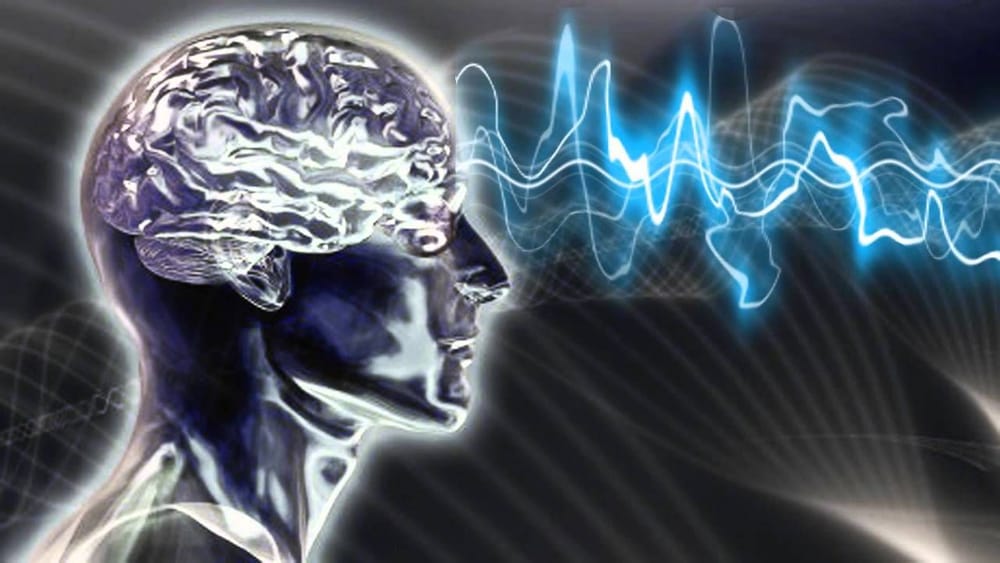
Hemi-Sync uses binaural beats, different sound frequencies in each ear, like 100 Hz and 104 Hz, creating a 4 Hz “beat” that nudges your brain into specific rhythms. The CIA report says Hemi-Sync can sync brain waves, shown by EEG tests, to reach states like Focus 10 (body asleep, mind awake) or Focus 12 (expanded awareness).²
A study found 6 Hz theta beats helped stressed people relax, increasing alpha wave activity.³ Another showed 40 Hz gamma beats boosted focus, but results vary by person.⁴
I tried binaural beats for anxiety. My cheap earbuds gave spotty results. Sometimes calm, often nothing. So, I got DT 770 Pro headphones, expecting better audio to help. No luck. My stress stayed high. A review found binaural beats’ effects depend on frequency, session length, and individual differences, with inconsistent brainwave syncing.⁵ Even with great headphones, my anxiety or setup might’ve blocked the effect.
Brain Waves: Your Mind’s Rhythms
Gateway targets brain waves, each tied to different mental states. Here’s what they do, based on the CIA report and research:
Delta (0.5–4 Hz): Deep sleep or healing. The report suggests delta aids intuition or OBEs, but this is speculative. Studies link it to restorative sleep.⁶ Hard to target with beats.
Theta (4–8 Hz): Meditation or creativity. Gateway uses theta for Focus 10 and relaxation. Theta beats reduced stress in studies, but my tries flopped.⁷
Alpha (8–12 Hz): Calm focus, like daydreaming. Gateway’s Focus 12 taps alpha for awareness. Alpha beats aid relaxation, but I felt little change.⁸
Beta (12–30 Hz): Active thinking or problem-solving. The report mentions beta for alertness, not a Gateway focus. High beta can raise anxiety if overdone.⁹
Gamma (30–100 Hz): Peak focus or insight. Not big in Gateway, but gamma beats helped attention in research.¹⁰ I didn’t try gamma, but it’s promising.
These waves shape our minds, but syncing them with binaural beats isn’t guaranteed. My experience shows it’s tricky.
How Gateway Works
Gateway is like a mental workout. You listen to Hemi-Sync tracks, follow visualizations, and use tools like an “energy bar” to shift from calm to OBEs. The CIA hoped it could sharpen thinking or perception, but proof is thin, especially for OBEs.¹¹
A study found 15 Hz beats hurt focus in some tasks, maybe triggering sleepy theta waves.¹² Another showed beats eased anxiety in hospital patients.¹³ My DT 770 Pros didn’t help my anxiety. Maybe stress or wrong settings got in the way.
Why the CIA Cared
The Cold War pushed the CIA to explore weird ideas, fearing Soviet mind tricks. Gateway’s mental boost potential was intriguing, but the report’s cautious, and a missing page 25 fuels X and Substack chatter about hidden secrets.¹⁴ I think it’s just paperwork nonsense. Gateway’s allure? It asks if we can hack our minds.
Why It Matters Now
In 2025, brain wave research is hot. Studies show binaural beats can help stress or focus, but effects fade fast.¹⁵ Home use can backfire if frequencies don’t match your goal.¹⁶ The Monroe Institute still teaches Gateway, and apps mimic Hemi-Sync.
My failed tries show tech isn’t enough. You need the right mindset. Want to try? Grab quality headphones (DT 770 Pros are solid), a quiet spot, and theta or alpha tracks. Don’t expect miracles, but you might find calm.
Notes
- Central Intelligence Agency, Analysis and Assessment of Gateway Process (CIA-RDP96-00788R001900760001-9, 1983), accessed May 1, 2025, https://www.cia.gov/readingroom/docs/cia-rdp96-00788r001900760001-9.pdf.
- Ibid.
- X. Gao et al., “Analysis of EEG Activity in Response to Binaural Beats in Healthy Subjects,” Journal of Medical and Biological Engineering 36, no. 4 (2016): 489–497, https://doi.org/10.1007/s40846-016-0150-4.
- S. A. Reedijk, A. Bolders, and B. Hommel, “The Impact of Binaural Beats on Creativity and Focus,” Frontiers in Human Neuroscience 7 (2013): 786, https://doi.org/10.3389/fnhum.2013.00786.
- L. Chaieb et al., “Auditory Beat Stimulation and Its Effects on Cognition and Mood States,” Frontiers in Psychiatry 6 (2015): 70, https://doi.org/10.3389/fpsyt.2015.00070.
- D. J. Dijk, “EEG Slow Waves and Sleep Spindles: Windows on the Sleeping Brain,” Behavioural Brain Research 69, no. 1-2 (1995): 109–116, https://doi.org/10.1016/0166-4328(95)00007-G.
- Gao et al., “Analysis of EEG Activity in Response to Binaural Beats in Healthy Subjects.”
- Ibid.
- Chaieb et al., “Auditory Beat Stimulation and Its Effects on Cognition and Mood States.”
- Reedijk, Bolders, and Hommel, “The Impact of Binaural Beats on Creativity and Focus.”
- Central Intelligence Agency, Analysis and Assessment of Gateway Process.
- Chaieb et al., “Auditory Beat Stimulation and Its Effects on Cognition and Mood States.”
- R. Padmanabhan, A. J. Hildreth, and D. Laws, “A Prospective, Randomized, Controlled Study Examining Binaural Beat Audio and Pre-operative Anxiety in Patients Undergoing General Anaesthesia for Day Case Surgery,” Anaesthesia 60, no. 9 (2005): 874–877, https://doi.org/10.1111/j.1365-2044.2005.04287.x.
- Central Intelligence Agency, Analysis and Assessment of Gateway Process.
- Reedijk, Bolders, and Hommel, “The Impact of Binaural Beats on Creativity and Focus.”
- Chaieb et al., “Auditory Beat Stimulation and Its Effects on Cognition and Mood States.”
Bibliography
Central Intelligence Agency. Analysis and Assessment of Gateway Process (CIA-RDP96-00788R001900760001-9). 1983. https://www.cia.gov/readingroom/docs/cia-rdp96-00788r001900760001-9.pdf.
Chaieb, L., E. C. Wilpert, T. P. Reber, and J. Fell. “Auditory Beat Stimulation and Its Effects on Cognition and Mood States.” Frontiers in Psychiatry 6 (2015): 70. https://doi.org/10.3389/fpsyt.2015.00070.
Dijk, D. J. “EEG Slow Waves and Sleep Spindles: Windows on the Sleeping Brain.” Behavioural Brain Research 69, no. 1-2 (1995): 109–116. https://doi.org/10.1016/0166-4328(95)00007-G.
Gao, X., H. Cao, D. Ming, H. Qi, X. Wang, X. Wang, and R. Chen. “Analysis of EEG Activity in Response to Binaural Beats in Healthy Subjects.” Journal of Medical and Biological Engineering 36, no. 4 (2016): 489–497. https://doi.org/10.1007/s40846-016-0150-4.
Padmanabhan, R., A. J. Hildreth, and D. Laws. “A Prospective, Randomized, Controlled Study Examining Binaural Beat Audio and Pre-operative Anxiety in Patients Undergoing General Anaesthesia for Day Case Surgery.” Anaesthesia 60, no. 9 (2005): 874–877. https://doi.org/10.1111/j.1365-2044.2005.04287.x.
Reedijk, S. A., A. Bolders, and B. Hommel. “The Impact of Binaural Beats on Creativity and Focus.” Frontiers in Human Neuroscience 7 (2013): 786. https://doi.org/10.3389/fnhum.2013.00786.